
99% Failures1% Still Here
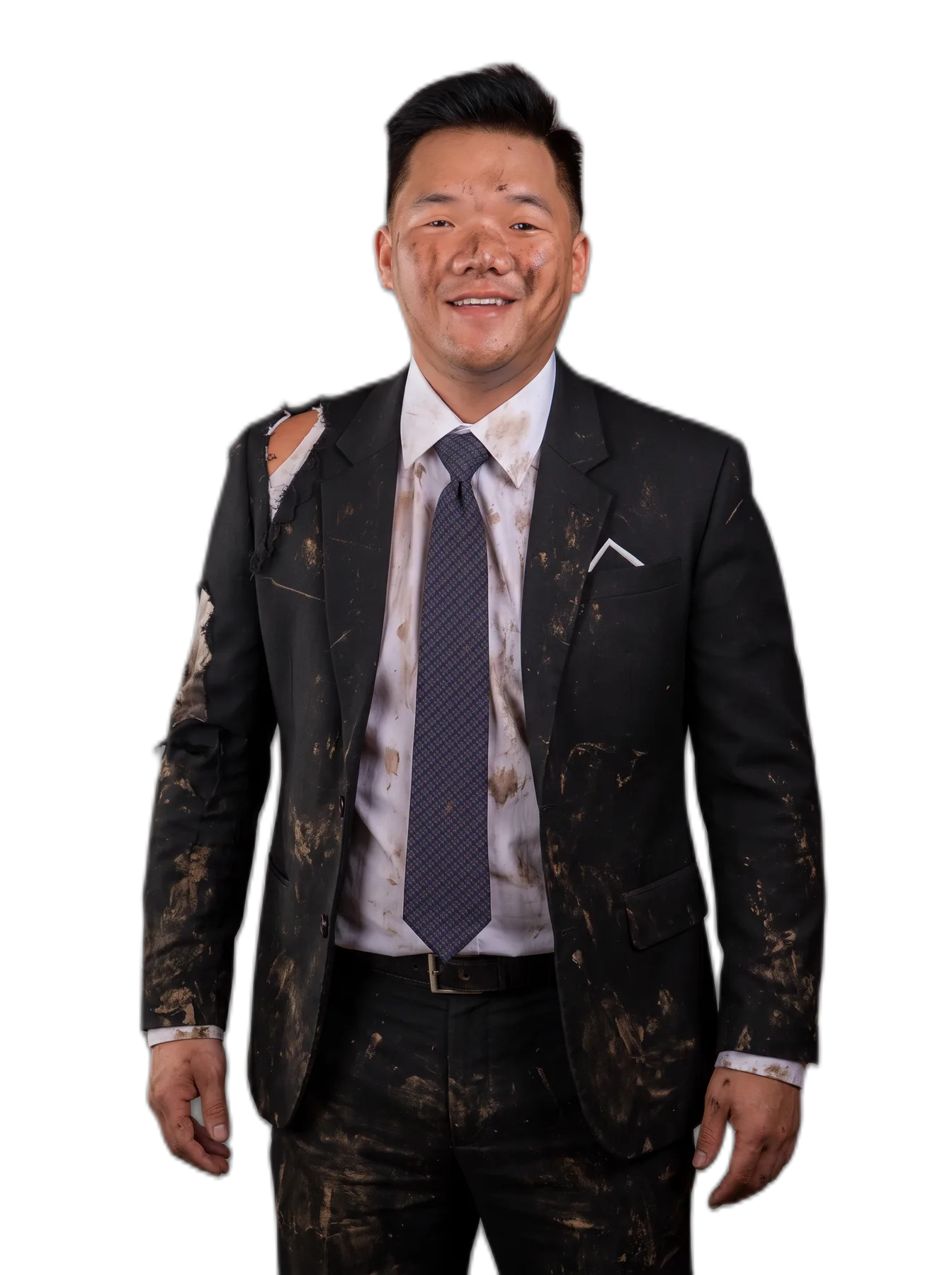
🎯 Serial Failure Collector & Occasional Optimist
If failure really is the mother of success, I'm running a whole kindergarten. I trip a lot, but somehow I keep falling forward.
Let's Build Something Good- Tinkerer in Financial Economics
- CEO (Chief Endurance Officer)
WHAT I ACTUALLY DO
Applied AI. Not Just Talked About.
I advise, coach, and walk alongside business owners as AI moves into their day-to-day — inside the mess, not on a whiteboard.
I Try It Before I Recommend It
I put Claude, ChatGPT and Gemini through real business problems myself, and note what survives the week and what breaks by Wednesday.
Consulting on AI-Driven Operations
We sit down and map how the work really runs, then find the repetitive parts AI can carry without breaking what already works. I don't write code; the keys stay with you.
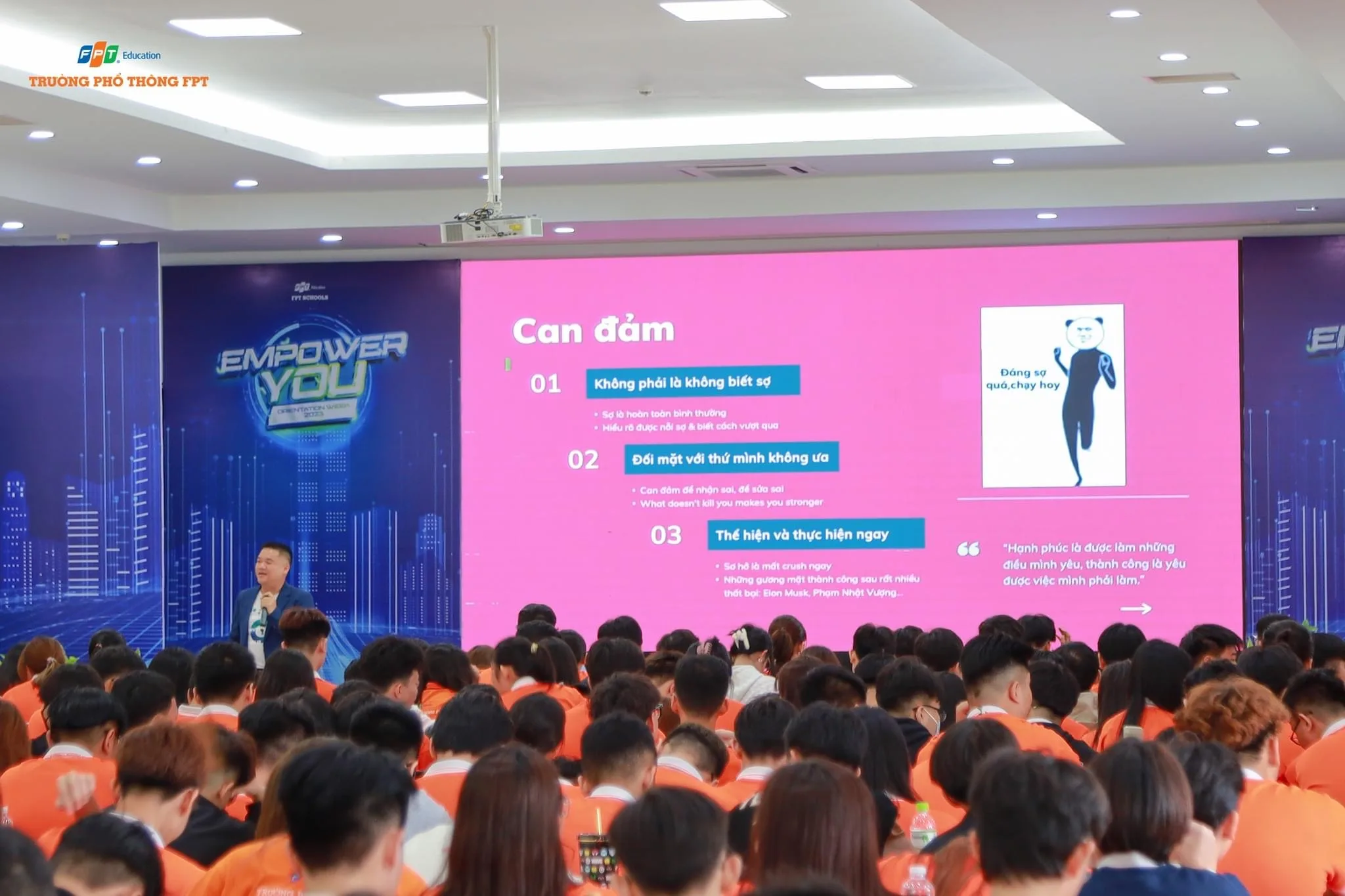
Coaching People to Work With AI
The hard part is dividing the work: what stays with people, what goes to AI. I coach you and your team until that split feels normal.
Working Through the Same Problems?
If you're figuring out where AI fits — or how to make it hold up beyond the demo — let's compare notes. I'm still learning too, and honest talk beats polished pitches.
Start a Conversation
“Optimism isn't my nature; it's my rebellion.”
Graduated From the School of Oops
I've built, failed, hired wrong, and been wrong plenty.
Every mistake handed me another degree in humility — the kind you don't hang on a wall.
Failure isn't the opposite of success — it's the fee.
And money is logical. People aren't.
After enough wins and wipeouts, I stopped chasing "perfect" and started building what matters: people, purpose, and the kind of laughter no slide can explain.
Turns out the best things I've built weren't companies — they were connections.
Success feels lighter that way. Almost human.
Numbers Don't Lie
The metrics, the impact, and the humans behind them
15+ Years Of Glorious Fails & Comebacks
Success gave dopamine; failure built the muscle to try again.
20+ Crazy Ideas Backed & Executed
Everyone said "too risky." I said "why not?" Some crashed spectacularly.
∞ Pivots, Only a Few on Purpose
The best plans? Usually stubborn accidents. I eventually called them "strategy."
1 Goal That Never Changed
To keep trying, even when logic says stop. Because hope is a better fuel than fear.
99 gave up along the way. 1 kept going — that math still counts as progress.
The bruises fade, but the lessons don't.— Philosophy 101: Taught by life, graded by time.
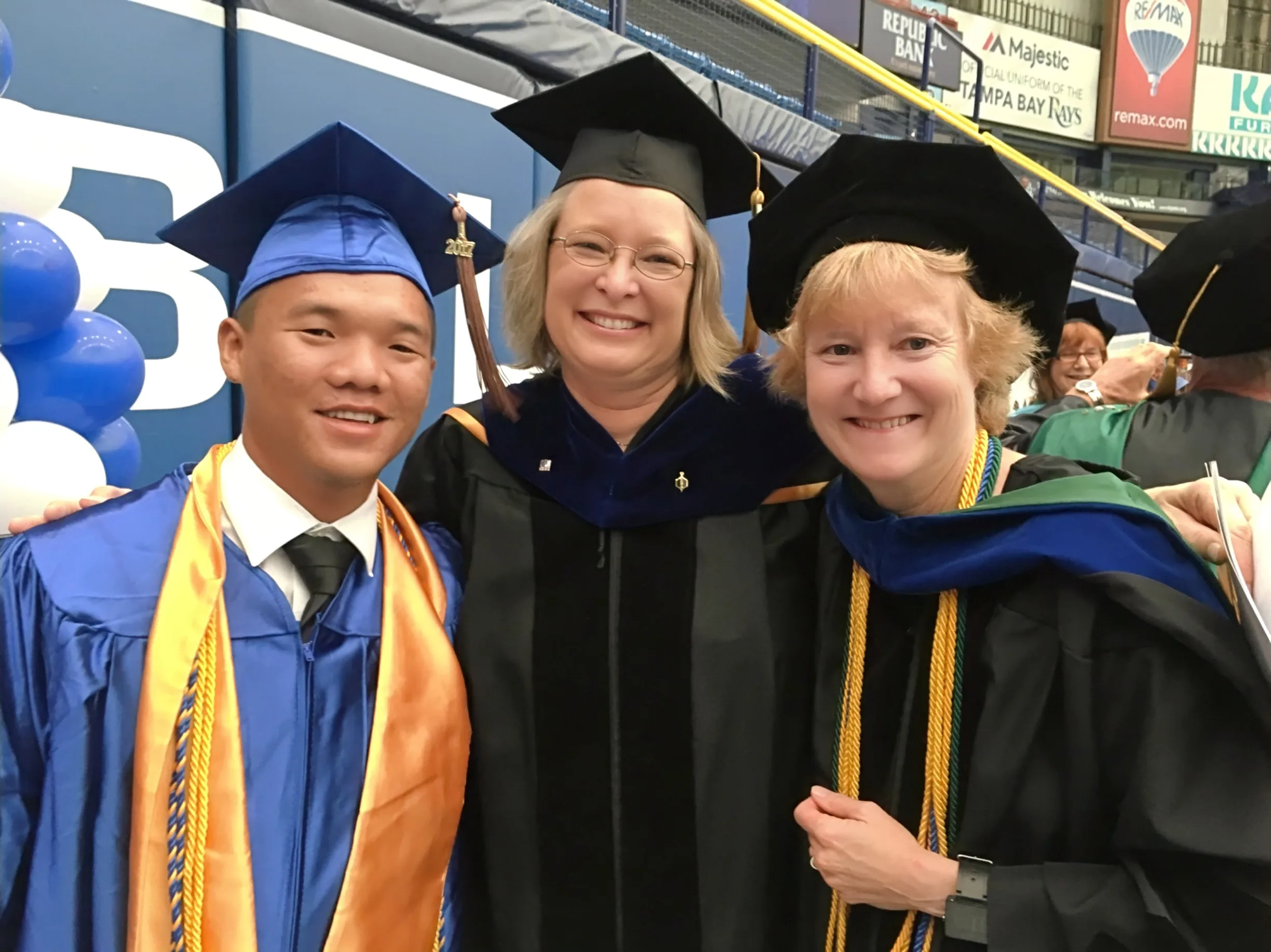
Fancy Papers & Real Scars
Where academic achievements meet street-level bruises
- 2022
Ph.D. Financial Economics
Learned every model. Then watched reality ignore all of them.
- 2017
B.S. Business Administration
Learned textbook strategies. Real business never read those books.
- 2014
B.S. Psychology
At least this one explains why I keep doing this to myself.
AI & Automation · the homework, with receipts
- Claude Academy
20 badges · Sep–Oct 2026
The badges are real; the sleep was not. - Gemini & Google
5 certificates · valid to 2028
Turns out teachers cram too. - n8n Verified Creator
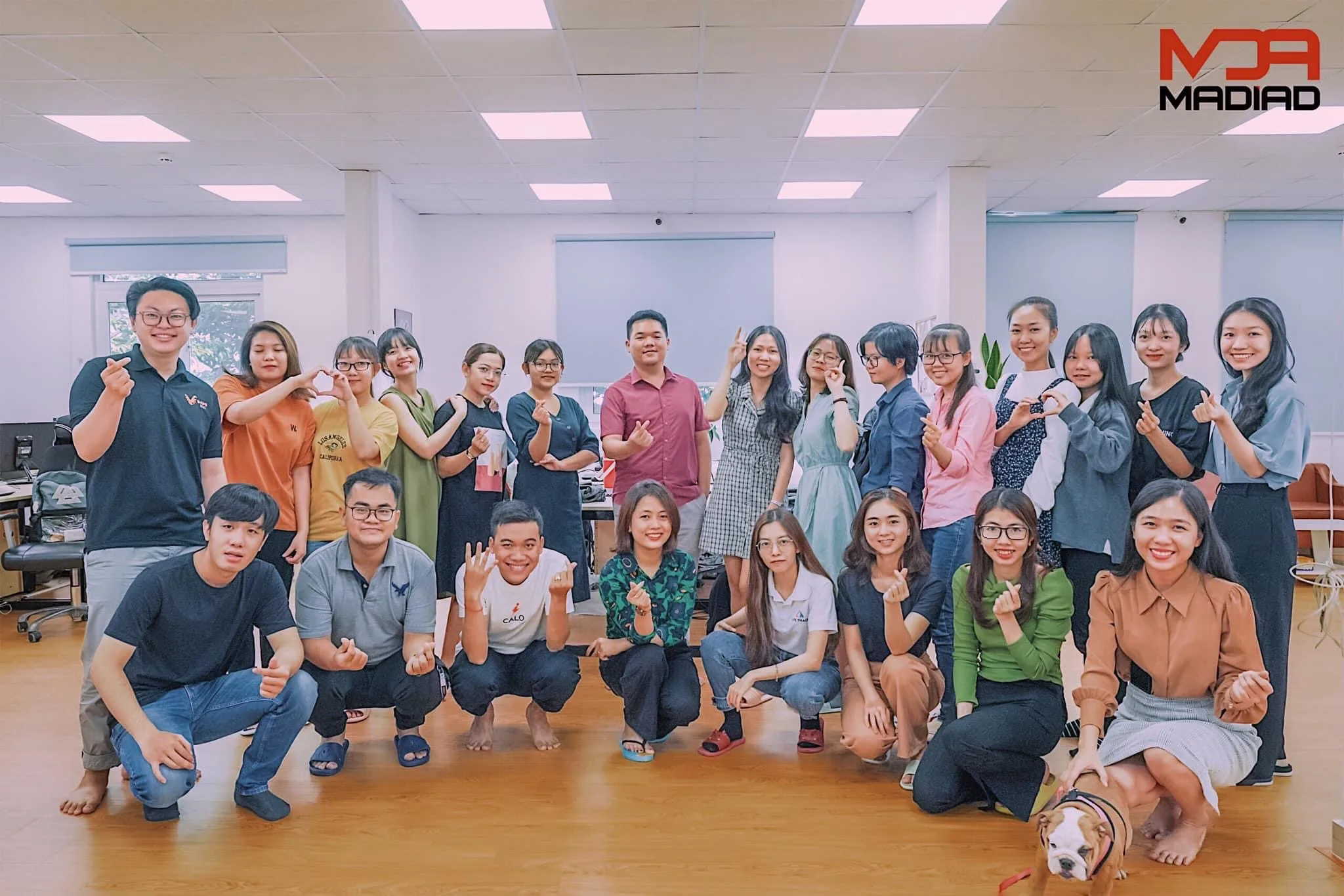
Through MADIAD
My chores learned to run themselves. n8n noticed.View profile (opens in a new tab) - Meta Business Partner
Through MADIAD
Meta checked the agency’s homework and signed it.
Also studiedSupply Chain ManagementReal EstateHealth InsuranceTech & Device Repair
Still Think This Might Work Out? Me Too!
If you're still here, odds are you believe — like I do — it's worth trying anyway.
Let's make something real. Even if it explodes, at least it'll be interesting.
Let's Talk